Thursday Nov 12, 2026
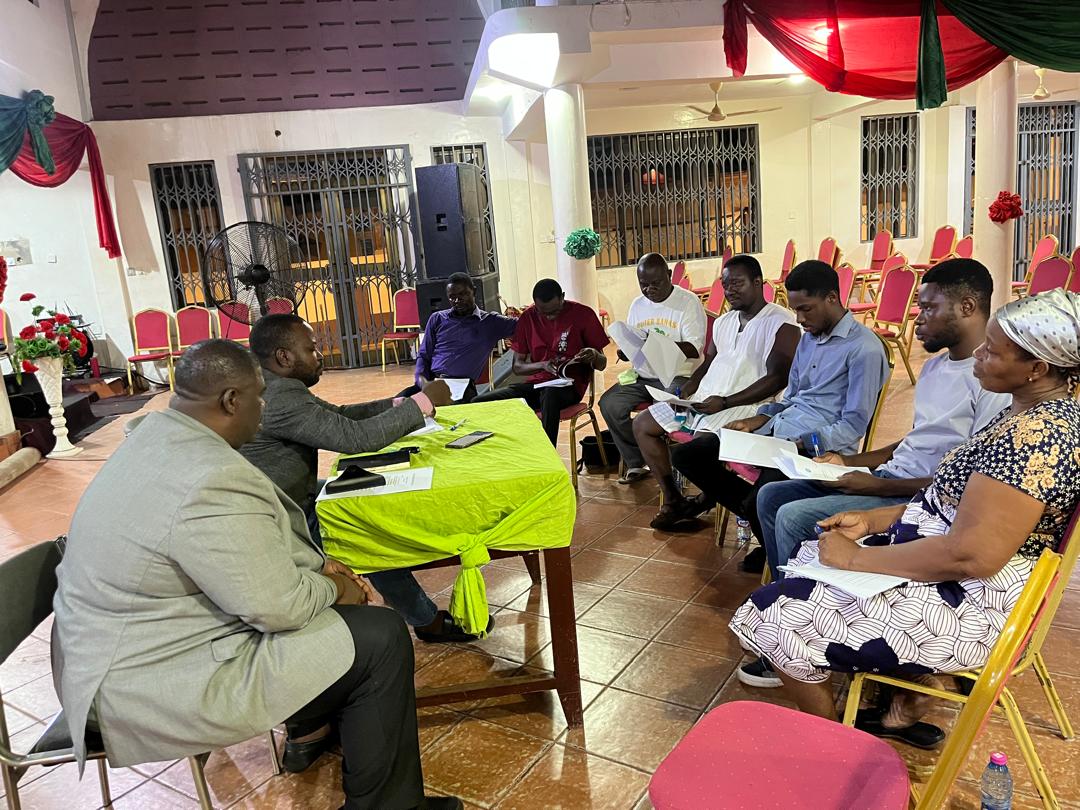
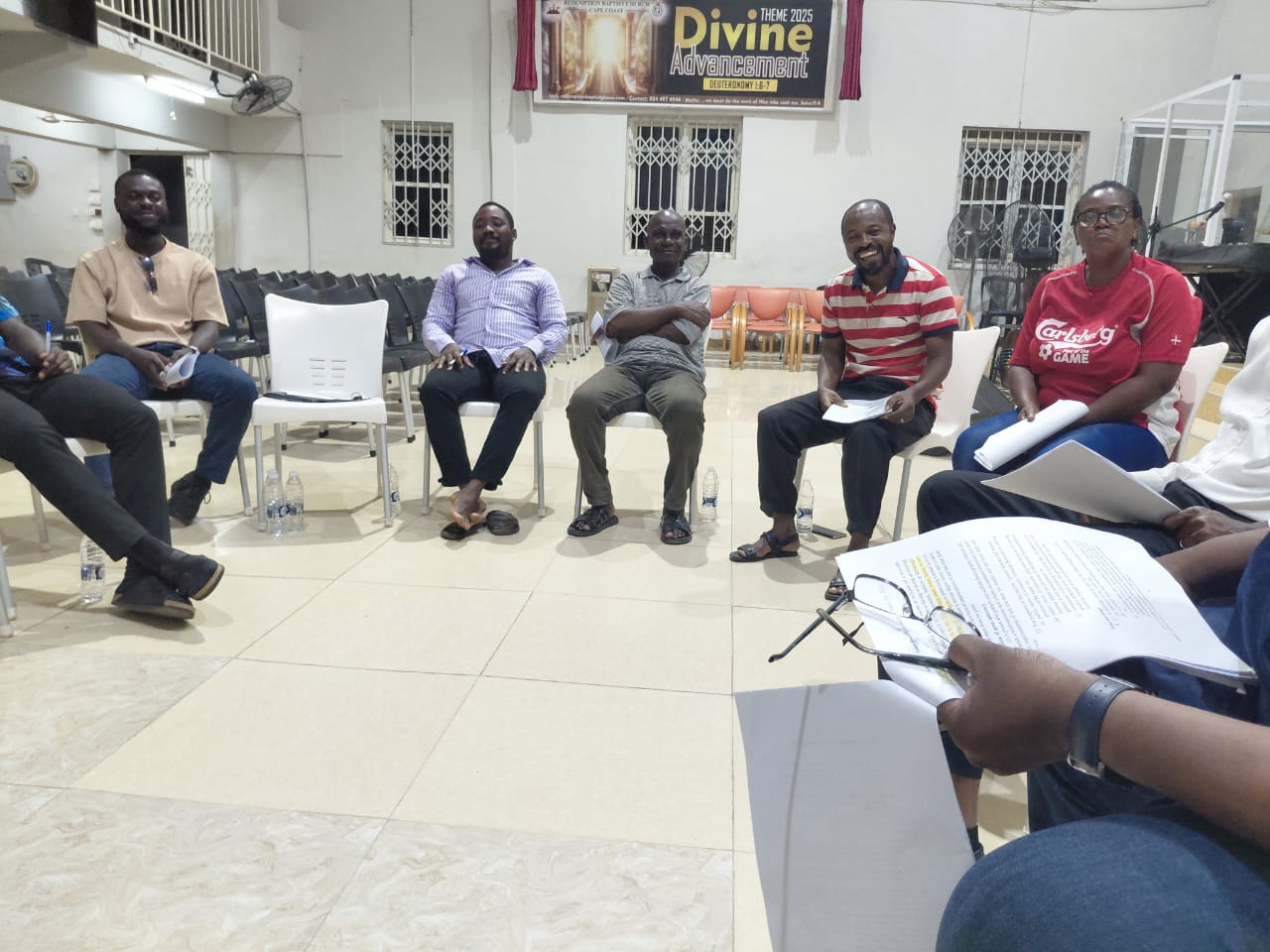
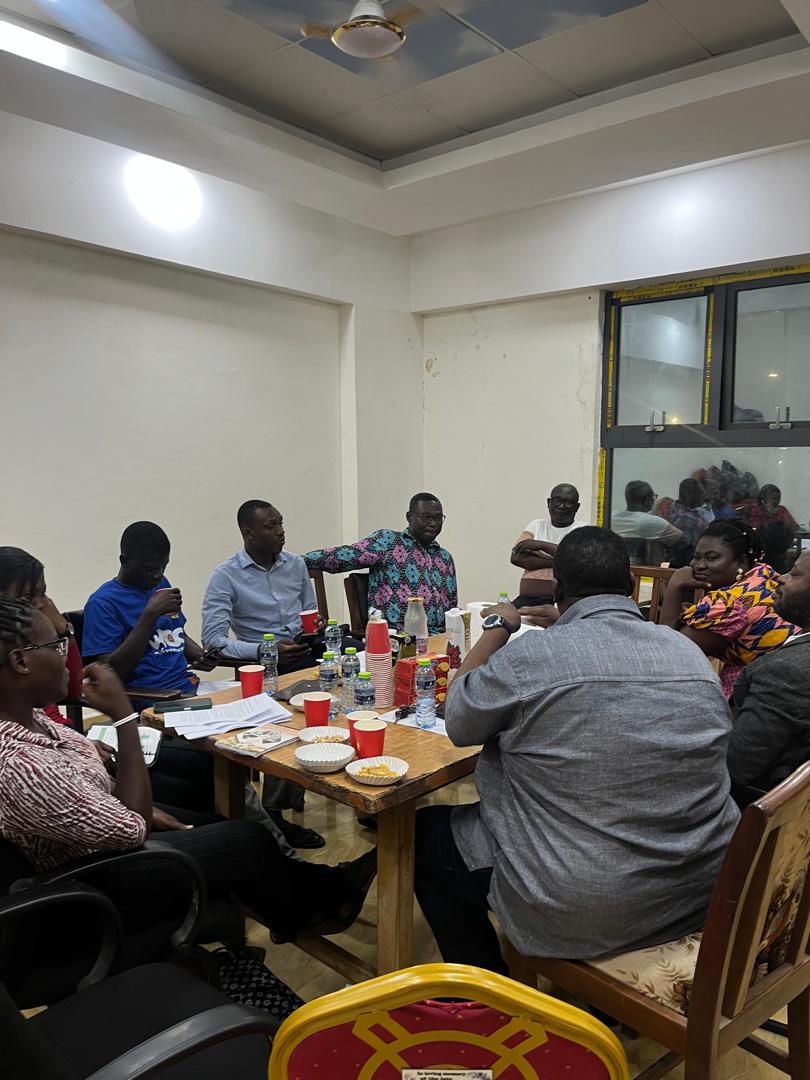
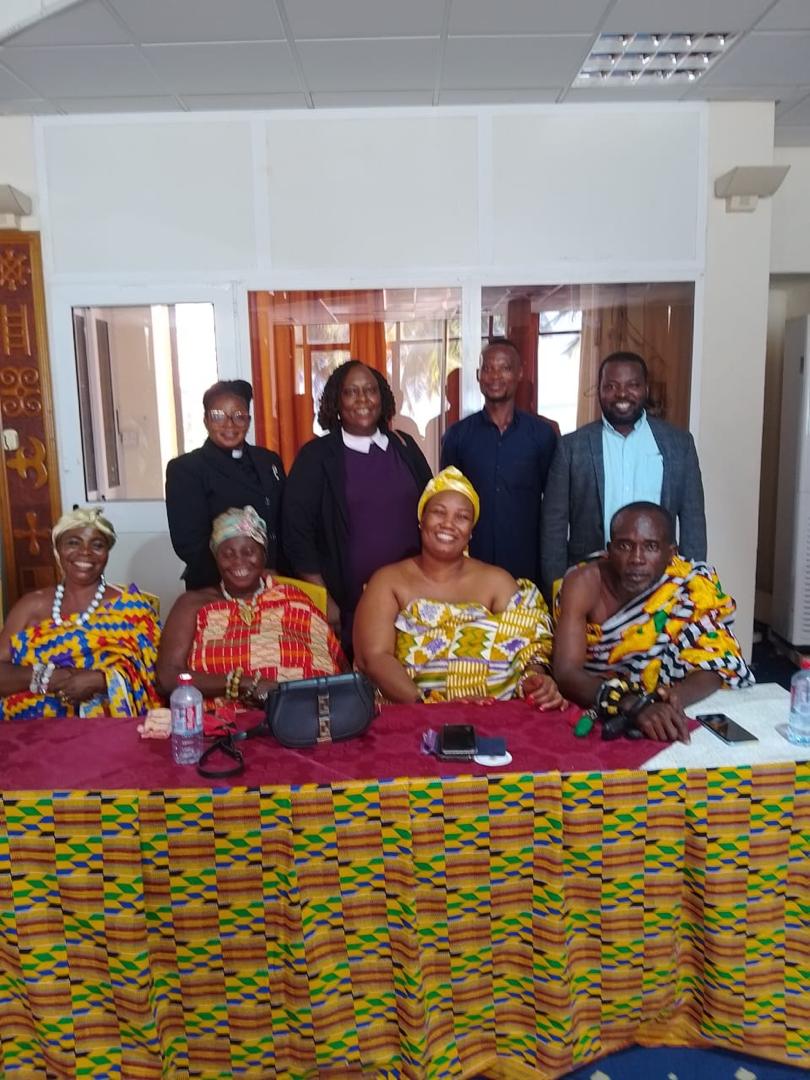
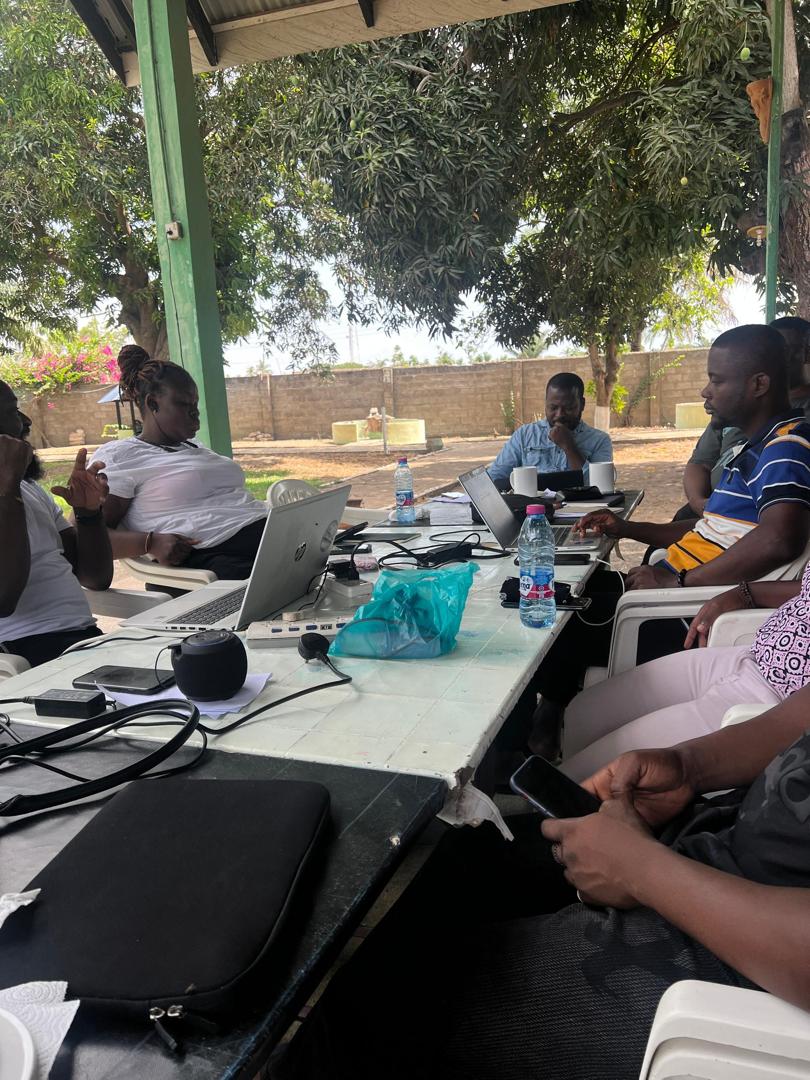
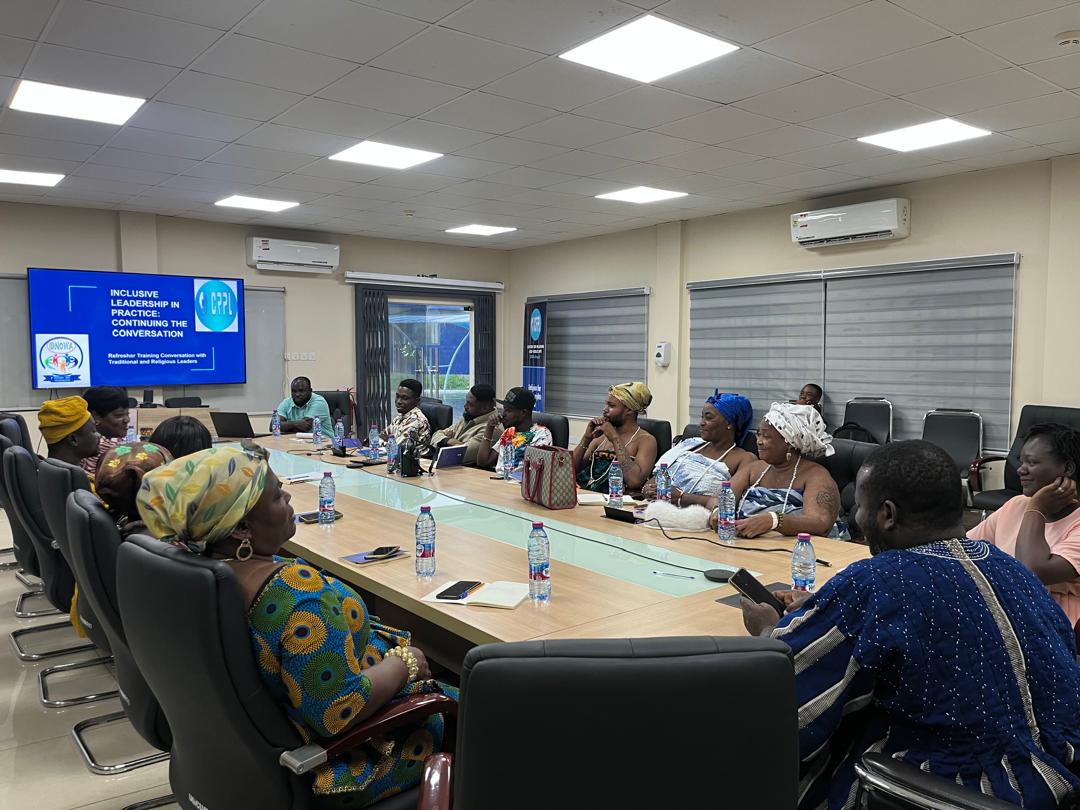
The Center for Religion and Public Life (CRPL) organized a stakeholder engagement on 28th May 2026 at the University of Ghana, Legon, under the theme “Stakeholder Engagement: Inclusive Leadership in Practice.”
The engagement brought together traditional leaders and
community members to create a platform for dialogue, shared learning, and
reflection on the importance of inclusive leadership within communities.
Recognizing the important role traditional and community leaders play in shaping attitudes, resolving conflicts, and influencing community development, the workshop provided an opportunity for participants to exchange experiences and discuss how leadership can become more inclusive and responsive to the needs of different members of society
The workshop sought to strengthen engagement between traditional leaders, community members, and CRPL while promoting inclusive approaches to leadership. Specifically, the engagement aimed to create a safe and respectful platform for dialogue among traditional leaders and community members, promote a better understanding of inclusive leadership and its importance in community development, encourage leaders to consider different perspectives when making decisions that affect their communities, strengthen relationships between CRPL, traditional leaders, and community stakeholders and encourage participants to promote peaceful coexistence, respect, and inclusion within their respective communities.
The stakeholder engagement held at the
University of Ghana, Legon, provided a valuable platform for traditional
leaders and community members to discuss and reflect on inclusive leadership in
practice.
The workshop reinforced the importance of dialogue,
participation, consultation, and respect for different perspectives in building
inclusive communities. It also strengthened CRPL’s engagement with community
stakeholders and demonstrated the importance of working with traditional
leaders in promoting peaceful and inclusive communities. The engagement was an
important step towards encouraging leadership practices that recognize the
voices and experiences of different members of society.