Thursday Nov 12, 2026
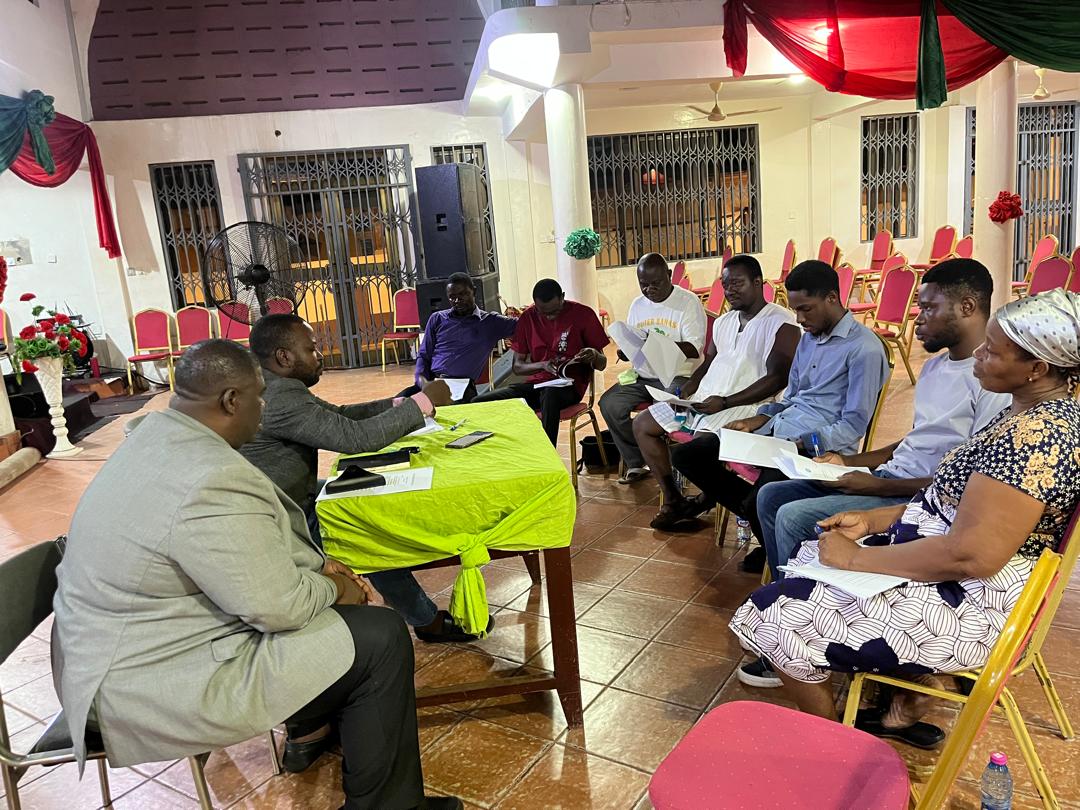
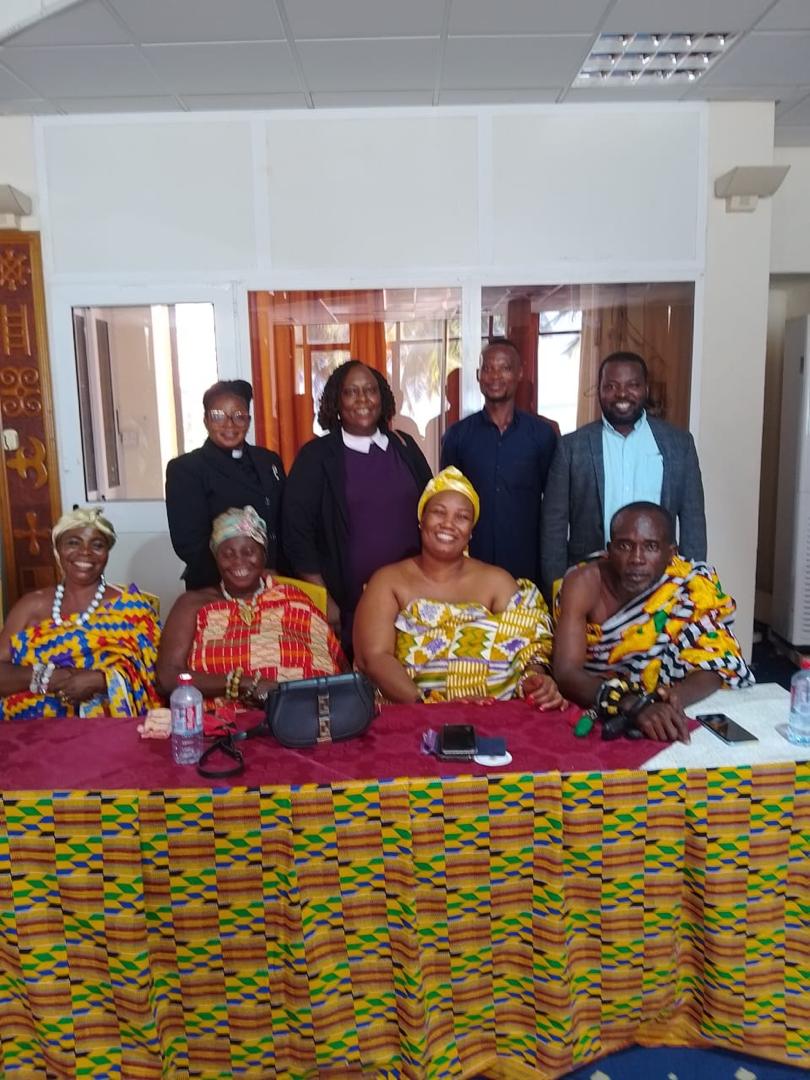
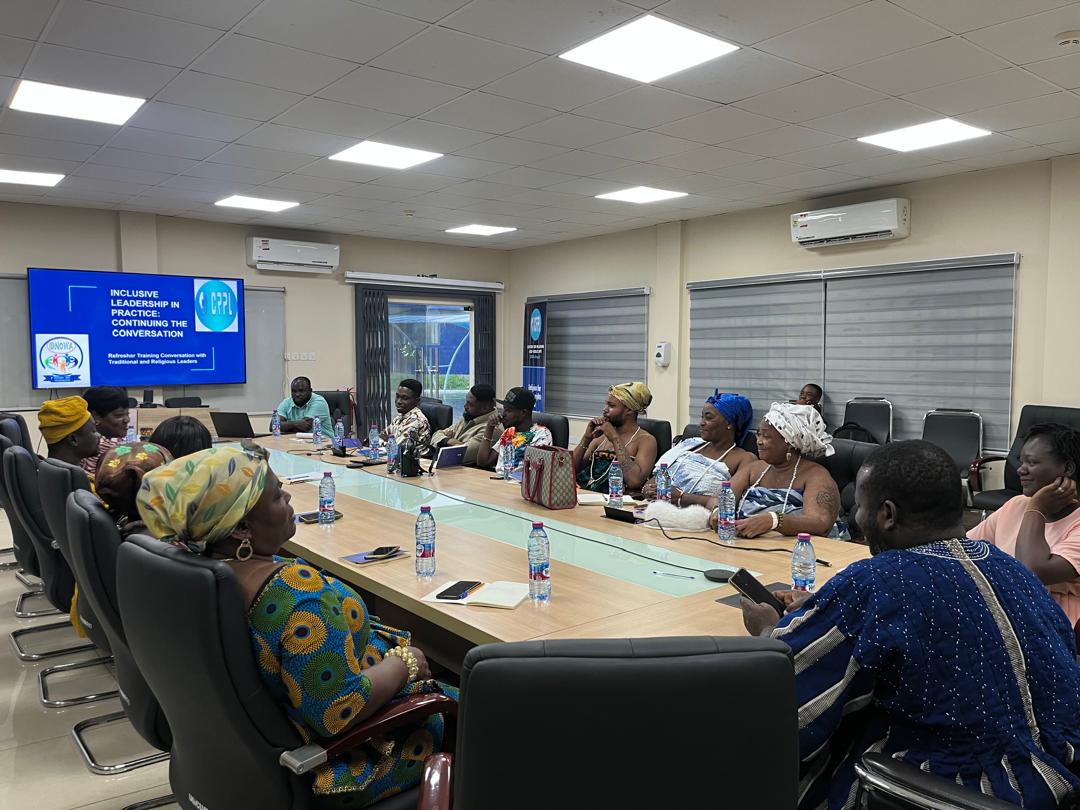
On May 22, 2025, the serene atmosphere of the Ogua Hall at
Elmina Beach Resort hosted a groundbreaking workshop themed “Round Table
Discussion About Religion and LGBTQ+.” The event brought together an eclectic
mix of voices including traditional leaders, clergy, and community advocates for
a candid, respectful, and thought-provoking dialogue.
Though the event was guided by a formal program outline,
time constraints led to adjustments, allowing for a more organic flow of
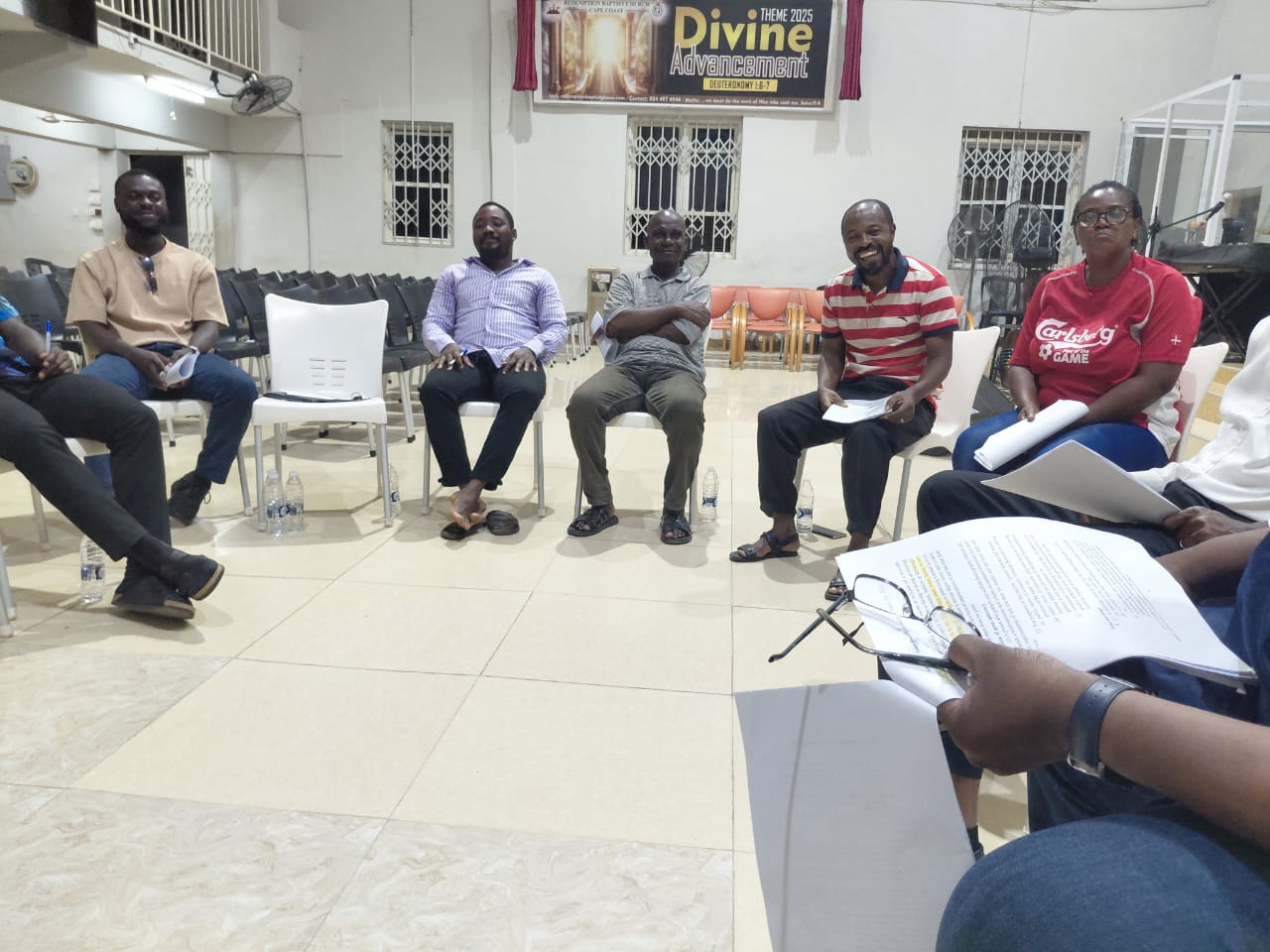
conversations and presentations. The workshop opened with a round of
introductions, offering each participant ranging from queens and a linguist to
a chief, church leaders, and a Muslim representative the opportunity to share
their background and perspectives.
The workshop officially began with a presentation by the
Glorious Interfaith Initiative Team, setting a tone of openness and interfaith
cooperation. This was followed by Denis Adufuli, who introduced the work of
CRPL-Ghana (Centre for Religion and Public Life – Ghana). He detailed the
organization's mission, vision, objectives, challenges, and the lessons learned
from their ongoing project on issues of faith and inclusion.
Following this, Texas Moro, a Muslim participant, shared the
Islamic perspective on homosexuality. He emphasized that in Islam, all humans
are created by Allah, and that while homosexuality is considered a
transgression, it is not the gravest sin, idolatry holds that position. His
insights sparked respectful challenges and reflections, particularly from a
member of the Glorious Interfaith Initiative, who questioned whether
homosexuality should be viewed as a sin at all. This moment exemplified the
spirit of the event deep listening, honest disagreement, and mutual respect.
Denis Adufuli one of the facilitators then delved into the
Christian perspective, focusing mainly on the Old Testament. He addressed the
widespread misinterpretation of the destruction of Sodom and Gomorrah as divine
punishment for homosexuality. Drawing from Genesis 18–19 and Ezekiel 16:49–50,
he argued that the true biblical critique of Sodom lies in its inhospitality,
arrogance, social injustice, and neglect of the vulnerable.
He clarified that while Leviticus 20:13 speaks to sexual
conduct, it does not directly address the Sodom narrative. Instead, scriptures
like Isaiah 56:3–5 and Genesis 6:1–8 highlight God’s broader concern for
justice, inclusion, and compassion. According to the Facilitator, the Sodom
story serves as a call to confront modern societal failures, such as
marginalization and indifference, rather than focusing narrowly on sexuality.
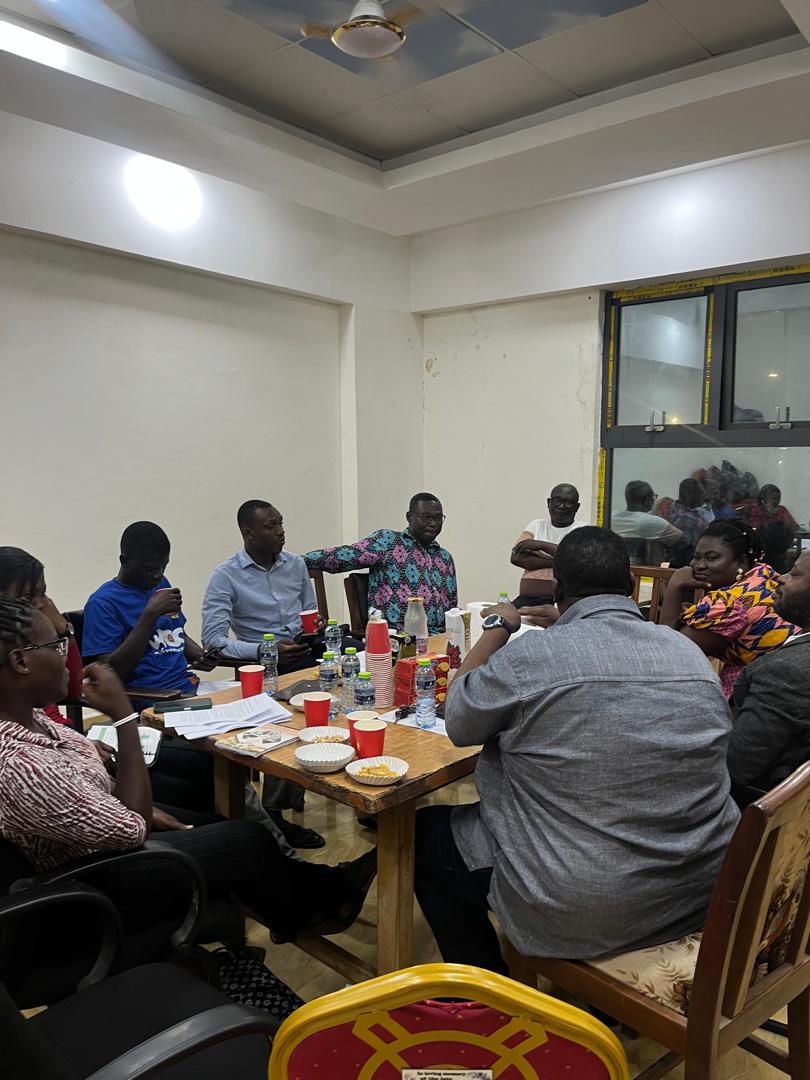
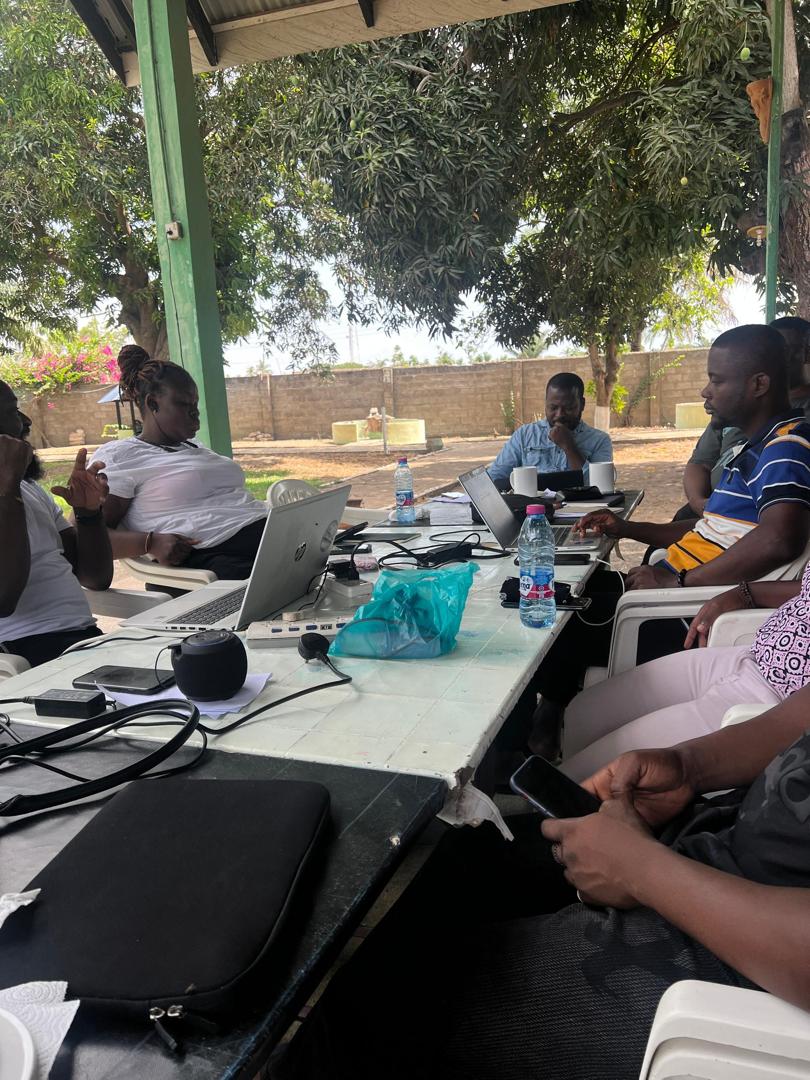
His reflections prompted a series of engaging questions and
insightful contributions from participants, creating a truly interactive and
enlightening session.
The workshop not only challenged stereotypes and biblical
misreadings but also modeled how faith-based and traditional communities can
engage in difficult conversations without hatred or prejudice. It called on all present to interpret sacred
texts not through the lens of stigma, but through that of solidarity, justice,
and humanity.
As Ghana and indeed the world continues to wrestle with
questions of identity, faith, and rights, such roundtable discussions are not
just timely; they are essential.